Group fined a total of $19,000 for harvesting shellfish from a contaminated area and other Fisheries Act violations
Canada NewsWire
CAMPBELL RIVER, BC, Sept. 21, 2026
CAMPBELL RIVER, BC, Sept. 21, 2026 /CNW/ -- Fisheries and Oceans Canada (DFO) reminds harvesters that shellfish closures are established to protect public health and that the status of harvest areas can change regularly. Harvesters should check DFO's SHELLI map before every harvest, as shellfish harvested in closed areas may contain contaminants, bacteria, viruses, or marine biotoxins that are not visible and can cause serious illness, or death. Harvesting from these areas is both illegal and unsafe and puts the public at risk, threatens sustainable fisheries, and disadvantages harvesters who comply with the law.
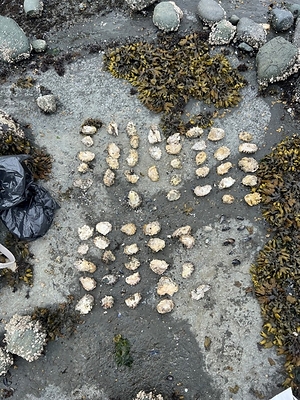
On July 14, 2026, in Campbell River Provincial Court, five recreational harvesters were convicted and fined a total of $19,000 for illegal fishing activities. Jucy Canupin received a $5,000 fine for harvesting shellfish from a prohibited area, violating licence conditions, and providing a false statement to a fishery officer. Ma Arleen Paz and Sylvina Matias were each fined $4,000 for harvesting shellfish from a prohibited area and licence violations, while Alma Catubay and Ingracia Dalde were each fined $3,000 for harvesting shellfish from a prohibited area.
These convictions followed a routine low-tide patrol on June 25, 2025, where DFO fishery officers inspected a group of individuals harvesting shellfish along the Campbell River waterfront, an area closed under the Canadian Shellfish Sanitation Program for public health protection. Misleading or obstructing fishery officers is a serious offence that hinders conservation and enforcement efforts and can result in substantial penalties.
The Department is committed to enforcing the Fisheries Act and related regulations. Anyone with information about suspected fisheries violations is encouraged to contact DFO Pacific Region's toll-free violation reporting line at 1-800-465-4336 or email DFO.ORR-ONS.MPO@dfo-mpo.gc.ca.
Quick Facts
- Fishery officers seized 136 Pacific oysters, eight mussels, two Manila clams, and all live shellfish were returned to the harvest site.
- Bivalve molluscan shellfish have two hinged shells and include oysters, clams, scallops, mussels, and cockles. Because bivalve shellfish feed by filtering microscopic plankton from the water, changes in water quality can result in unsafe marine biotoxins, bacteria, or viruses building up in their tissue.
- Paralytic Shellfish Poisoning (PSP), Amnesic Shellfish Poisoning (ASP) and Diarrhetic Shellfish Poisoning (DSP) are the most common illnesses associated with marine biotoxins in Canada. Cooking shellfish does not destroy many of the toxins that may be present in a closed area.
- DFO's shellfish harvesting map provides commercial and recreational shellfish harvesters with information about opened and closed harvesting areas. The map is updated daily, and harvesters should check it before each harvest to confirm the area is open and safe.
- The Canadian Shellfish Sanitation Program (CSSP) is a federal food safety program jointly administered by the Canadian Food Inspection Agency (CFIA), Environment and Climate Change Canada (ECCC) and DFO. CSSP's goal is to minimize the health risks associated with the consumption of contaminated bivalve molluscan shellfish such as mussels, oysters and clams.
- Under the CSSP, DFO is responsible for managing the opening and closing of shellfish harvesting areas, acting on technical recommendations regarding marine sanitary water quality from ECCC and biotoxins from CFIA.
Associated Links:
- Recreational shellfish harvesting rules and regulations in B.C. | Pacific Region | Fisheries and Oceans Canada
- Shellfish harvesting map
- Bivalve shellfish contamination closures in BC | Pacific Region | Fisheries and Oceans Canada
- Canadian Shellfish Sanitation Program
Stay Connected
SOURCE Fisheries and Oceans (DFO) Canada

